
Your home is more than just a space where you sleep and eat. It is a reflection of your personality, your values, and the life you want to live. Choosing the right interior design styles is one of the most important decisions you will make in creating a space that truly feels like yours. Whether you are planning a full renovation, moving into a new property, or simply refreshing a few rooms, understanding the different interior design styles available to you gives you the power to make confident, informed decisions.
At Vast Interior, we work with homeowners and property developers across Australia every day, helping them navigate the vast and often overwhelming world of interior decorating styles. We have seen firsthand how the right design style can completely transform how a space feels and functions. That is why we have put together this comprehensive guide to the most popular and trending house decor styles making waves right now, especially across the Australian market.
This is not just another surface-level interior design styles list. We have gone deep into each style, exploring what defines it, what materials and colours work best, how it functions in real Australian homes, and how you can apply it with confidence. Whether you prefer sleek modern interiors, warm rustic charm, or the breezy ease of coastal living, this guide covers everything you need to choose your perfect direction.
1. Contemporary Minimalism: The Art of Intentional Living
If you have ever walked into a room that felt immediately calm, open, and refreshing, chances are it was designed with minimalist principles. Contemporary minimalism is one of the most enduring and widely adopted interior design styles, and for good reason. It is rooted in a simple but powerful philosophy: every element in a space should earn its place.
Minimalism as a modern interior design style goes far beyond just owning fewer things. It is about designing with purpose, choosing quality over quantity, and creating environments where the eye can rest rather than be overwhelmed. In Australian homes, this style has surged in popularity because it works exceptionally well in both compact inner-city apartments and sprawling open-plan homes.
What Defines Contemporary Minimalism
Neutral colour palettes: Whites, off-whites, warm greys, soft beiges, and muted earthy tones dominate minimalist spaces. These shades reflect natural light beautifully and make rooms feel larger and more serene.
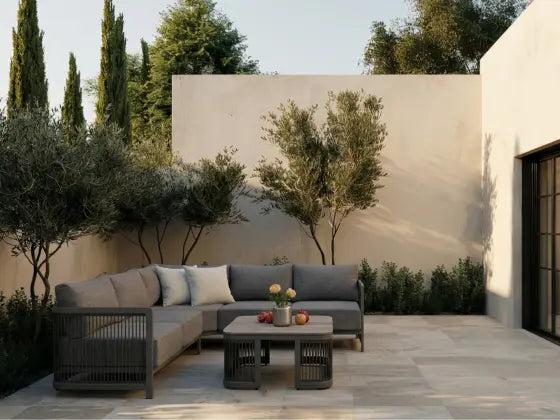
Clean architectural lines: Furniture with straight edges, flush-fitting cabinetry, and frameless windows are signature features. Clutter is actively designed out of the space.
Curated decor: Rather than filling shelves and surfaces, minimalism favours a single sculptural vase, a well-chosen artwork, or a striking indoor plant. Each piece is deliberate.
Natural materials: Timber, stone, linen, and concrete appear frequently in minimalist homes. These materials bring warmth and texture without visual noise.
Functional storage solutions: Hidden storage is critical. Integrated joinery, under-bed drawers, and concealed wardrobes keep surfaces clear while maintaining full functionality.
Minimalism works beautifully in kitchens, living areas, and master bedrooms. It creates a sense of sanctuary that many Australians are seeking in their homes, especially as the line between home and work continues to blur.
2. Coastal Australian Style: Bringing the Beach Indoors
No guide to interior design styles australia would be complete without dedicating serious attention to the coastal style. Australia is a nation defined by its coastline, and the relaxed, sun-drenched aesthetic of beach living has deeply influenced how Australians design their homes. Coastal interior design is about capturing that breezy, effortless feeling of being near the ocean, even if your home is in the heart of the city.
This is one of the most beloved home design styles across the country, from the Northern Beaches of Sydney to the Surf Coast in Victoria and the beachside suburbs of Perth and the Gold Coast. The coastal style celebrates natural light, open spaces, and a connection to the outdoors.
Core Elements of Coastal Australian Design
Light and airy colour palette: Soft blues, seafoam greens, sandy neutrals, and crisp whites create the foundation. These colours mimic the ocean, sky, and shoreline, producing a naturally soothing atmosphere.
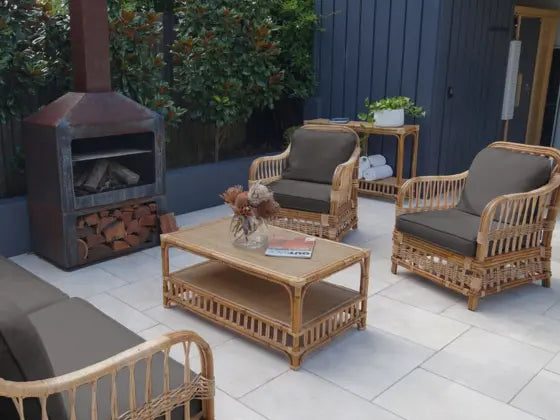
Natural and textural materials: Rattan, jute, linen, whitewashed timber, wicker, and seagrass all feature prominently. These materials feel relaxed and organic rather than formal or precious.
Abundant natural light: Large windows, glass doors, and open-plan layouts are essential. Coastal homes are designed to maximise sunlight and create a seamless flow between indoor and outdoor spaces.
Relaxed, unfussy furniture: Overstuffed sofas, teak outdoor settings, and low-profile daybeds communicate ease and comfort. There is nothing stiff or formal about coastal design.
Natural accents: Shells, driftwood, woven baskets, and maritime art add character without overwhelming the space. These elements feel authentic rather than kitschy when used with restraint.
The coastal style is particularly effective in open-plan living and dining areas, master bedrooms, and bathrooms. Pair it with stone or timber flooring and plantation shutters for a fully cohesive look.
3. Scandinavian Design: Simplicity, Warmth, and Hygge
Scandinavian design has been a global phenomenon for decades, and it continues to resonate strongly with Australian homeowners who value simplicity, functionality, and warmth. As one of the most distinctive and widely recognised interior styles, Scandinavian design achieves something remarkable: it feels both minimal and cosy at the same time.
The secret lies in the Scandinavian concept of hygge, a Danish and Norwegian word that describes a quality of cosiness, comfort, and convivial warmth. In interior design, hygge translates into spaces that feel genuinely inviting and human, despite their clean, uncluttered appearance.
The Defining Characteristics of Scandinavian Style
White walls and natural light: Scandinavian winters are dark and long, which has led to a design tradition of maximising brightness through white walls and large windows. This is equally relevant in Australian homes where indoor-outdoor connection is prized.
Warm wood tones: Light timber in birch, ash, and pine is a cornerstone of Scandinavian interiors. It brings natural warmth without the weight of darker woods.
Functional, well-crafted furniture: Every piece has a purpose. Danish and Nordic furniture design is celebrated worldwide for its clean lines, ergonomic consideration, and long-lasting construction.
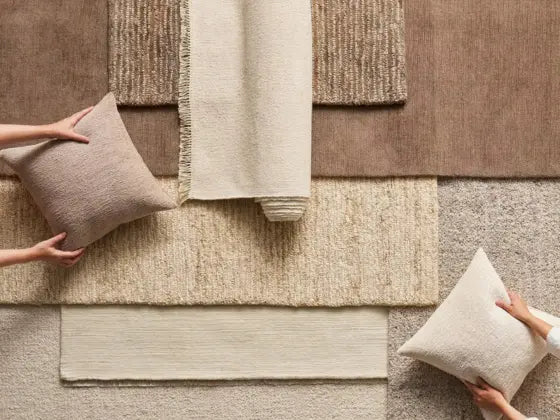
Layered soft textures: Sheepskin throws, chunky knit blankets, linen cushions, and wool rugs add depth and sensory comfort to otherwise spare spaces.
Thoughtful accessorising: A single potted plant, a few candles, a carefully chosen ceramic piece, these quiet gestures bring life to a Scandinavian space without cluttering it.
This style suits Australian homes particularly well in cooler climates such as Melbourne, Canberra, and the Blue Mountains, where the idea of a warm, inviting interior refuge has strong appeal.
4. Industrial Chic: Raw, Edgy, and Deeply Characterful
Industrial style is one of the most dramatically different interior styles you can choose, and it is one that continues to grow in influence across urban Australian homes, converted warehouses, and contemporary loft apartments. Inspired by the raw aesthetic of factories and industrial spaces, this design approach celebrates imperfection, exposed materials, and utilitarian beauty.
What makes industrial interior design so compelling is its honesty. There is no attempt to hide the bones of a building. Pipes, ducts, brickwork, and structural beams are not concealed but celebrated as design features in their own right.
Signature Features of Industrial Interior Design
Exposed structural elements: Brick walls, concrete ceilings, steel beams, and visible ductwork are hallmarks of the industrial style. These features give a space its authentic, raw character.
Dark and muted colour palette: Charcoal, deep grey, black, and rust tones dominate. Warm metals like copper and bronze provide contrast and richness.
Metal and reclaimed wood: Steel-framed furniture, iron light fixtures, and reclaimed timber benchtops are quintessential industrial elements. The combination of hard metal and worn wood creates visual tension.
Open-plan layouts: Industrial spaces typically feature large, open areas with high ceilings and minimal partitioning, creating a sense of dramatic scale.
Edison bulb and pendant lighting: Exposed filament bulbs and factory-style pendant lights are signature lighting choices that enhance the gritty, atmospheric mood of industrial interiors.
Industrial design works particularly well in kitchens, home offices, and open-plan living spaces. In Australian cities like Melbourne and Sydney, where inner-city warehouse conversions are common, this style feels entirely at home.
5. Hamptons Style: Timeless Elegance with a Relaxed Edge
The Hamptons style is arguably the most aspirational of all house decor styles among Australian homeowners. Originating from the luxurious beach communities of Long Island in New York, this aesthetic has found a deeply enthusiastic following across Australia, where it resonates with our love of coastal living, quality craftsmanship, and relaxed sophistication.
Unlike the stripped-back nature of minimalism or the rawness of industrial design, the Hamptons style is unabashedly luxurious. It layers texture, colour, and carefully chosen furniture to create spaces that feel both grand and genuinely liveable.
What Creates a True Hamptons Interior
Classic white and navy palette: The signature Hamptons colour combination, crisp white walls paired with navy blue accents, speaks to nautical heritage and coastal glamour in equal measure.
Shiplap and board and batten wall cladding: These architectural details are synonymous with the Hamptons look and instantly elevate a room from ordinary to distinguished.
Luxurious natural textiles: Linen, cotton, and velvet upholstery in soft, sophisticated tones. Layered cushions, decorative throws, and window treatments are essential.
Statement kitchen cabinetry: Shaker-style kitchen cabinets, stone benchtops in marble or engineered stone, and quality brushed nickel or brass hardware are key design signatures.
Symmetry and balance: The Hamptons style favours formal arrangements, matching bedside tables, paired armchairs, and symmetrically placed artwork, that create a sense of order and refinement.
The Hamptons aesthetic translates beautifully to Australian family homes, particularly in beachside suburbs and newer estate developments where it has become one of the most popular and requested interior design types.
6. Biophilic Design: Connecting Your Home to the Natural World
Biophilic design is one of the fastest-growing and most exciting emerging interior styles of our time. Rooted in the science of our innate human connection to nature, biophilic design goes far beyond simply placing a plant in the corner of a room. It is a comprehensive design philosophy that weaves natural elements, organic forms, and nature-inspired materials into every aspect of a living space.
Studies have consistently shown that environments with strong connections to nature reduce stress, improve mood, and enhance cognitive function. As a result, biophilic design has moved from an architectural niche into mainstream modern interior design styles, embraced by homeowners, office designers, and hospitality brands alike.
How Biophilic Design Transforms a Home
Living green walls and abundant indoor plants: From statement monstera plants and trailing pothos to full-scale vertical gardens, bringing living greenery indoors is the most visible aspect of biophilic design.
Natural light as a design tool: Skylights, large glass panels, and light wells are used to flood interiors with daylight. The changing quality of natural light throughout the day brings a dynamic, living quality to the space.
Organic materials and textures: Stone, timber, bamboo, rattan, clay, and linen are used extensively. The goal is to create surfaces that feel natural and tactile rather than synthetic and sterile.
Water features: Indoor water walls, small fountains, or even fish tanks introduce the calming sound and visual movement of water into the home environment.
Nature-inspired colour palettes: Earthy ochres, moss greens, terracotta, warm browns, and sky blues draw directly from the natural landscape to create a grounding, harmonious interior.
Biophilic design is particularly powerful in home offices, living rooms, and bedrooms, spaces where mental clarity, calm, and restoration matter most. It represents the future direction of sustainable, human-centred design.
7. Mid-Century Modern: Iconic Design That Never Gets Old
Mid-century modern is one of the most enduring and immediately recognisable interior design styles in history. Emerging in the decades following World War II, roughly between the 1940s and 1970s, this design movement celebrated optimism, innovation, and a joyful marriage of form and function. Decades later, it remains one of the most collected, reproduced, and celebrated of all house design styles.
The appeal of mid-century modern design lies in its incredible timelessness. Pieces from this era, or faithful contemporary reproductions, slot effortlessly into today's homes and look as fresh and relevant as ever.
The Essentials of Mid-Century Modern Style
Iconic furniture silhouettes: The Eames lounge chair, the Tulip table, the Noguchi coffee table, these pieces are not just furniture but cultural icons. Their organic shapes and innovative use of materials define the era.
Warm, earthy tones with vibrant accents: Mustard yellow, burnt orange, olive green, and teal featured prominently alongside warm timber tones. These colours feel both retro and remarkably contemporary.
Natural and manufactured materials in harmony: Plywood, moulded plastic, fibreglass, and steel were paired with leather and natural timber. The combination was revolutionary at the time and remains distinctive today.
Large windows and indoor-outdoor connection: Mid-century architects celebrated the relationship between interior spaces and the surrounding landscape, with floor-to-ceiling windows and open-plan living long before these became standard.
Geometric patterns and atomic-age motifs: Starbursts, boomerang shapes, and abstract geometric patterns appear in textiles, wallpapers, and decorative accessories throughout mid-century interiors.
Mid-century modern pairs beautifully with minimalist and Scandinavian elements and works across a wide range of Australian home types, from period homes in inner-city suburbs to contemporary new builds seeking a touch of retro charm.
8. Japandi: The East Meets West Philosophy of Calm and Craft
Japandi is one of the most talked-about and genuinely exciting new interior styles to have emerged in recent years. A thoughtful fusion of Japanese wabi-sabi aesthetics and Scandinavian hygge sensibility, Japandi creates spaces that are deeply peaceful, beautifully crafted, and profoundly intentional. It is fast becoming one of the most sought-after modern interior design styles for Australian homeowners who want something more refined and considered than either pure minimalism or Scandinavian design alone.
At its core, Japandi is about the acceptance and appreciation of imperfection. It draws from the Japanese concept of wabi-sabi, the beauty found in natural materials, age, and irregularity, and combines it with the Scandinavian love of clean lines, functionality, and warmth.
The Principles Behind Japandi Design
Muted, sophisticated colour palette: Deep charcoals, warm taupes, dusty sage greens, and rich terracotta form the foundation. These are not stark whites but warm, complex neutrals that feel grounded and calm.
Handcrafted and artisanal elements: Handmade ceramics, hand-thrown pottery, woven textiles, and bespoke furniture celebrate the beauty of human skill and natural imperfection.
Low-profile furniture: Inspired by traditional Japanese interior design, furniture sits close to the ground, creating a sense of spaciousness and an intimate relationship with the floor.
Natural materials with character: Timber with visible grain, stone with natural veining, and clay with irregular texture are preferred over polished or highly processed finishes.
Mindful negative space: Empty space is not waste but intention. Japandi interiors allow rooms to breathe, with deliberate gaps between furniture and walls that create visual quiet.
Japandi works brilliantly across entire homes but is particularly transformative in living rooms, bedrooms, and bathrooms. It is ideal for homeowners who appreciate craftsmanship, calm, and a design philosophy that is as much about mindset as aesthetics.
9. Bohemian Eclectic Style: Free-Spirited, Layered, and Joyfully Unconventional
If you are someone who feels constrained by the rules of minimalism or the formality of traditional design, bohemian eclectic style may be your perfect match. Of all the interior decorating styles on this list, bohemian is the one that most actively resists definition and celebrates creative freedom. It is a style that says yes to colour, yes to pattern mixing, yes to vintage finds, and yes to a home that tells the story of your life and travels.
Bohemian interior design draws from global cultures, artistic traditions, and vintage markets to create spaces that are layered, warm, and completely individual. No two bohemian homes look alike, and that is precisely the point.
Building a Bohemian Interior
Rich, saturated colours: Deep jewel tones like emerald green, sapphire blue, ruby red, and burnt amber are balanced with earthy neutrals. Colour in bohemian design is bold but never harsh.
Pattern and texture in abundance: Kilim rugs layered over sisal mats, embroidered cushions mixed with macrame throws, patterned wallpaper behind vintage furniture, bohemian interiors revel in visual richness.
Vintage and handmade pieces: Antique markets, op shops, overseas travels, and artisan markets provide the furniture and accessories that give a bohemian home its authentic, storied character.
Abundant plants and greenery: Hanging plants, trailing pothos, large fiddle leaf figs, and clusters of succulents are essential to the boho aesthetic, bringing life and organic energy to every corner.
Global textiles and cultural artefacts: Moroccan lanterns, Indian block-printed textiles, Turkish ceramics, and African baskets bring a worldly, well-travelled quality to bohemian spaces.
Bohemian style works in virtually any room but is especially powerful in living rooms, bedrooms, and outdoor entertainment areas where layering and personalisation can reach their fullest expression.
10. Transitional Style: The Best of Both Worlds
Transitional design is perhaps the most practical and versatile of all the interior design styles covered in this guide. It occupies the sweet spot between classic traditional design and clean contemporary aesthetics, blending the warmth and familiarity of traditional elements with the freshness and simplicity of modern design.
For Australian homeowners who love the elegance of traditional design but also appreciate the clean lines of contemporary interiors, transitional style offers a harmonious middle ground. It is the most frequently requested style by our clients at Vast Interior, particularly for family homes where both comfort and sophistication are priorities.
How Transitional Design Achieves Its Balance
Neutral foundation with warm accents: Soft creams, warm whites, and gentle greys provide a contemporary foundation, while timber tones, aged brass, and warm textiles add traditional warmth and depth.
A mix of furniture silhouettes: Transitional interiors might pair a clean-lined contemporary sofa with a more ornate traditional side table, or balance sleek kitchen cabinetry with a classic Carrara marble benchtop.
Timeless materials: Stone, timber, leather, and linen are the workhorses of transitional design. These materials feel simultaneously classic and fresh, never tied exclusively to one era.
Subtle pattern and texture: Unlike the boldness of bohemian or the starkness of minimalism, transitional design uses pattern with restraint, a geometric cushion here, a softly textured rug there.
Quality over trend: Transitional homes are built to last. Every purchase is made with longevity in mind, choosing pieces that will remain beautiful and relevant for years rather than months.
Transitional design is the ideal choice for homeowners who want a home that feels put-together and sophisticated without being bound to a single rigid aesthetic. It is flexible, liveable, and endlessly adaptable.
Why Choose Vast Interior for Your Interior Design Journey
At Vast Interior, we believe that great interior design is about more than choosing a style from a list. It is about understanding who you are, how you live, and what your home needs to do for you and your family. We bring together deep expertise across all major interior design types, a curated network of quality suppliers and craftspeople across Australia, and a genuine passion for creating homes that exceed expectations.
Our team works closely with every client from the very first conversation through to the final styling touches, ensuring that the design process feels collaborative, clear, and exciting rather than overwhelming. We understand the Australian lifestyle intimately, from the way natural light moves through a Sydney terrace to the way open-plan living works in a Melbourne family home, and we use that understanding to create interiors that are not just beautiful but genuinely functional and liveable.
Whether you are drawn to the breezy warmth of coastal design, the quiet sophistication of Japandi, the timeless elegance of Hamptons style, or any of the other interior styles explored in this guide, we have the experience and the vision to bring it to life with excellence. Our portfolio spans a broad range of interior design styles list from across Australia, and we are proud of every project we have delivered.
We also understand that budget, timeline, and practicality matter just as much as aesthetics. That is why our process is always transparent, our recommendations always considered, and our solutions always tailored to your unique situation. With Vast Interior, you are not just getting a design service. You are getting a committed partner in creating the home you have always imagined.
Frequently Asked Questions About Interior Design Styles
Q. What are the most popular interior design styles in Australia right now?
The most popular interior design styles australia homeowners are embracing right now include coastal design, Hamptons style, Japandi, contemporary minimalism, and transitional design. Each of these styles suits the Australian lifestyle in different ways, from the open, breezy quality of coastal interiors to the relaxed sophistication of Hamptons and the calm intentionality of Japandi.
Q. How do I choose the right interior design style for my home?
Start by identifying how you want your home to feel rather than just how you want it to look. Do you want calm and quiet, or warm and layered? Sleek and contemporary, or rich and traditional? Gather images of spaces that appeal to you and look for common themes. A professional interior designer can help you identify the underlying styles and translate your preferences into a coherent design direction.
Q. Can I mix different interior design styles in my home?
Absolutely. Many of the most successful and characterful homes blend elements from different interior styles. Transitional design is built entirely on this principle. The key is to find a unifying thread, whether that is a consistent colour palette, a shared material language, or a common level of formality, that ties the different influences together. Mixing styles requires a confident eye, but the results can be extraordinary.
Q. What is the difference between interior design styles and interior decorating styles?
Interior design styles refer to the overall architectural and spatial approach to a room or home, including how furniture is arranged, what materials are used structurally, and how light is managed. Interior decorating styles focus more on the surface layer, the colours, textiles, accessories, and artwork that give a space its personality. In practice, the two terms are often used interchangeably, but the distinction is useful when planning a renovation versus a lighter refresh.
Q. Which interior design style is best for small homes or apartments?
For smaller spaces, minimalism and Scandinavian design are excellent starting points because they prioritise clever storage, light colours, and uncluttered arrangements that make rooms feel larger. Japandi is another strong choice for compact homes because of its emphasis on low-profile furniture and intentional negative space. Biophilic design can also work beautifully in smaller spaces by bringing in natural elements that make interiors feel fresher and more expansive.
Q. What are the main types of interior design used in professional practice?
Professional interior designers work across a broad range of interior design types including residential design, commercial and hospitality design, retail design, office and workplace design, and property staging. Within residential design, the types of interior design most commonly requested include the styles covered in this guide, along with heritage restoration, sustainable and eco-friendly design, and universal or accessible design for clients with specific functional needs.
Q. How much does it cost to redesign my home in a specific style?
The cost of redesigning your home varies significantly depending on the scope of the project, the materials selected, and the complexity of the design. A full home renovation applying a new interior design style can range from tens of thousands to hundreds of thousands of dollars, while a furniture and styling refresh in a particular aesthetic can be achieved at a much lower investment. At Vast Interior, we work across a wide range of budgets and are always transparent about costs from the very beginning.
Q. Is Japandi design suitable for Australian homes?
Japandi is exceptionally well-suited to Australian homes, particularly those in urban settings where space is at a premium and residents seek calm amid the noise of city life. The style also complements Australia's strong appreciation for natural materials, craftsmanship, and the outdoors. We have delivered several outstanding Japandi interiors across Sydney and Melbourne and have seen the style embrace the Australian light and landscape beautifully.
Q. What interior design styles work best for family homes?
Family homes benefit from interior styles that are both beautiful and genuinely durable and liveable. Transitional design is a consistent favourite because it balances elegance with practicality. Coastal and Hamptons styles are also popular for family homes in Australia because they feel relaxed, generous, and forgiving. Biophilic design is increasingly popular with families who want their children to grow up with a strong connection to the natural world.
Q. How do I stay updated with the latest trends in interior design styles?
Following Australian interior design publications, award programs like the IDEA Awards, and the portfolios of leading Australian interior designers is the best way to stay current with evolving interior decorating styles. Social platforms such as Instagram and Pinterest offer an endless source of visual inspiration. Working with a professional interior design studio like Vast Interior ensures that you benefit from expert knowledge of current trends and timeless principles in equal measure.
Understanding Different Interior Design Styles Is the First Step to Your Dream Home
Choosing from the many different interior design styles available can feel like a daunting task, but it does not have to be. The most important thing is to start from a place of genuine self-knowledge: what do you love, what do you need, and what does your home want to become? Whether you are drawn to the serene clarity of minimalism, the warmth of Scandinavian design, the drama of industrial style, or the effortless beauty of coastal living, there is a style, or a thoughtful blend of several, that is right for you.
Understanding the house decor styles and home design styles available to you gives you the language and the framework to make better decisions, work more effectively with your designer, and ultimately create a home that feels genuinely yours. It is not about following rules or copying a look from a magazine. It is about finding the visual and spatial language that speaks to how you want to live.
The interior design styles list covered in this guide represents the most significant, relevant, and enduring directions in contemporary design. Each style has its own distinct character, its own strengths, and its own ideal applications. Used with understanding and confidence, any one of them, or any combination of them, can produce results that are extraordinary.
At Vast Interior, we are here to help you find your direction, develop your vision, and realise it with expertise and care. Every home deserves a design approach that makes the most of its potential, and every homeowner deserves a team that listens, understands, and delivers.
Ready to transform your home? Contact the team at Vast Interior today and let us help you find the interior style that is perfect for your space, your lifestyle, and your vision.